- ZHUHAI JIALI HARDWARE CO.,LTD.
- +86-756-8586520

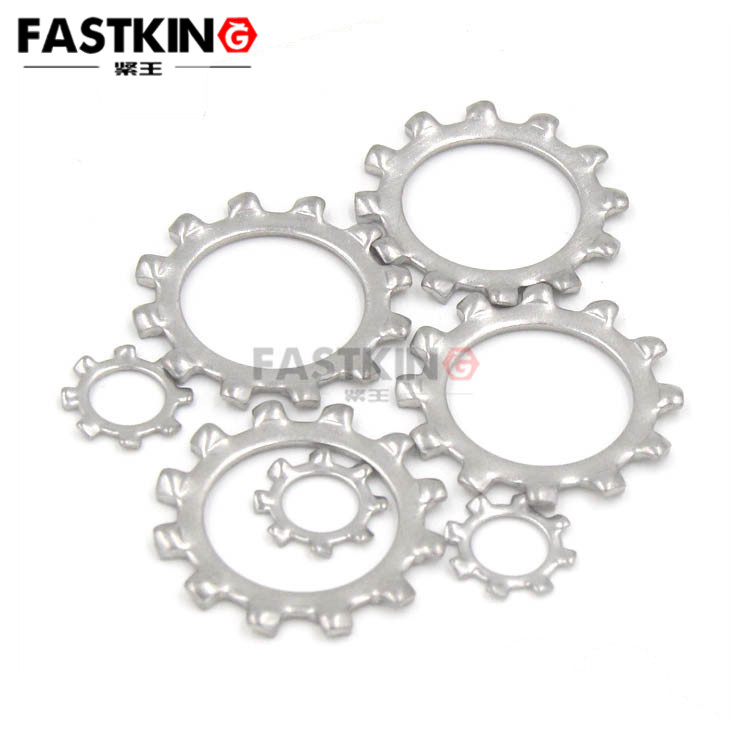
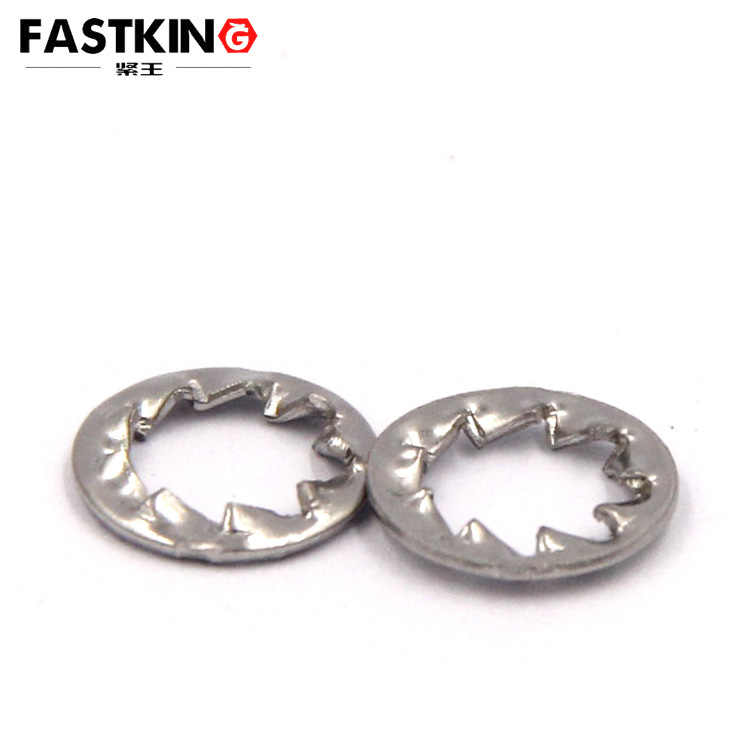
Internal tooth lock washer din6797j
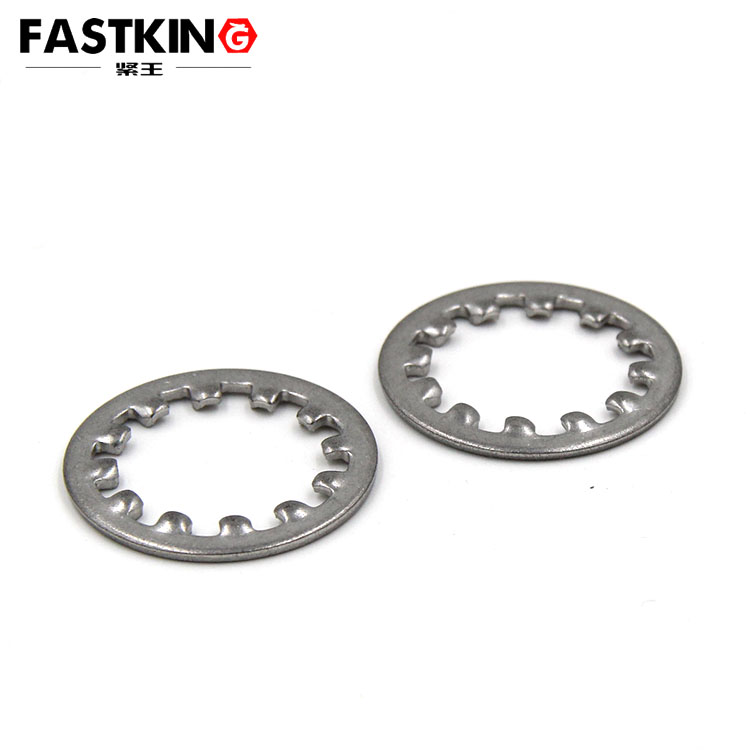
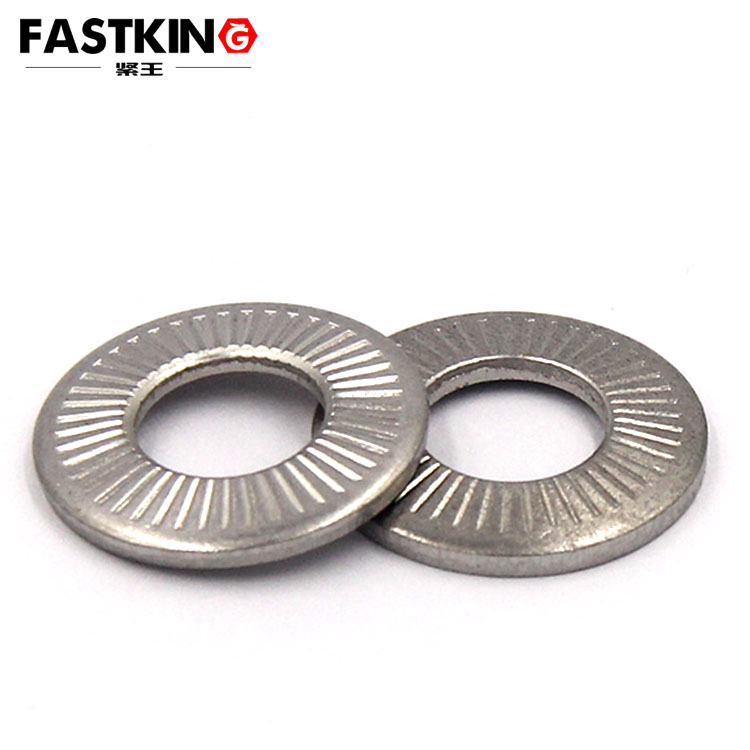
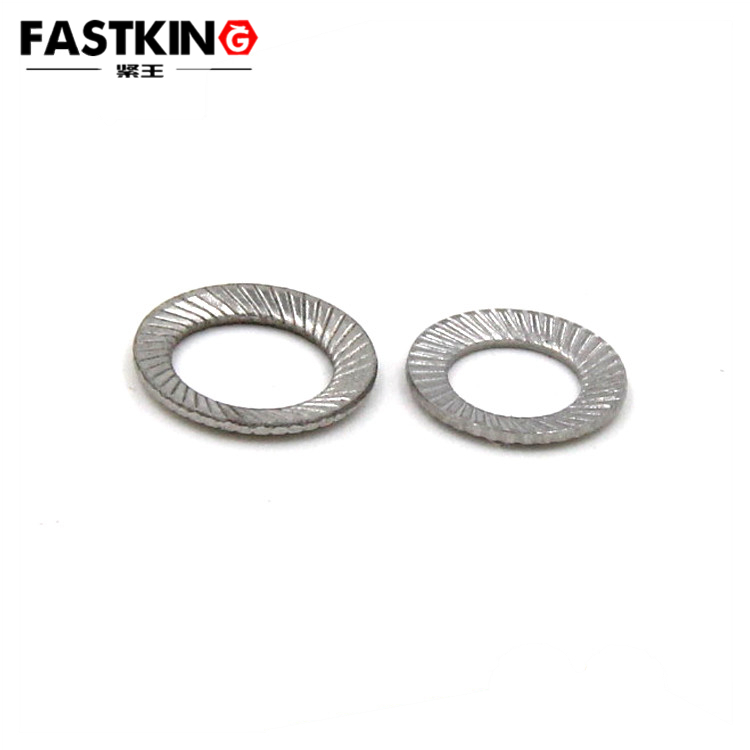
- Product description:The toothed flat anti-skid gasket is mostly used in the mechanical combination to fasten the anti vibration sealing parts, which belongs to the stability fastening.
Internal tooth lock washer din6797j
Material: stainless steel 304316, grade 8.8 high strength and grade 12.9 high strength
Product standard:din6797j
It can also support non-standard customization.
From the name of the toothed flat anti-slip pad, its core feature can be intuitively perceived - it is a flat anti-slip component with a specific toothed structure on the surface. Different from ordinary flat washers that only rely on flat contact for simple support, it further enhances anti-slip and anti-vibration capabilities by designing regular or specific-shaped teeth on the contact surface. At the same time, it can also undertake a sealing role in some scenarios, making it a typical stable fastening component. The design of its teeth is not random; instead, it is determined through precise calculation and testing based on factors such as the vibration frequency of the machinery in the application scenario, the magnitude of the load, and the material of the connected parts. Common tooth shapes include serrated, corrugated, and diamond-shaped. Different tooth shapes have different emphases in terms of anti-slip effect, force dispersion, and sealing performance, which can meet the personalized needs of different mechanical combinations.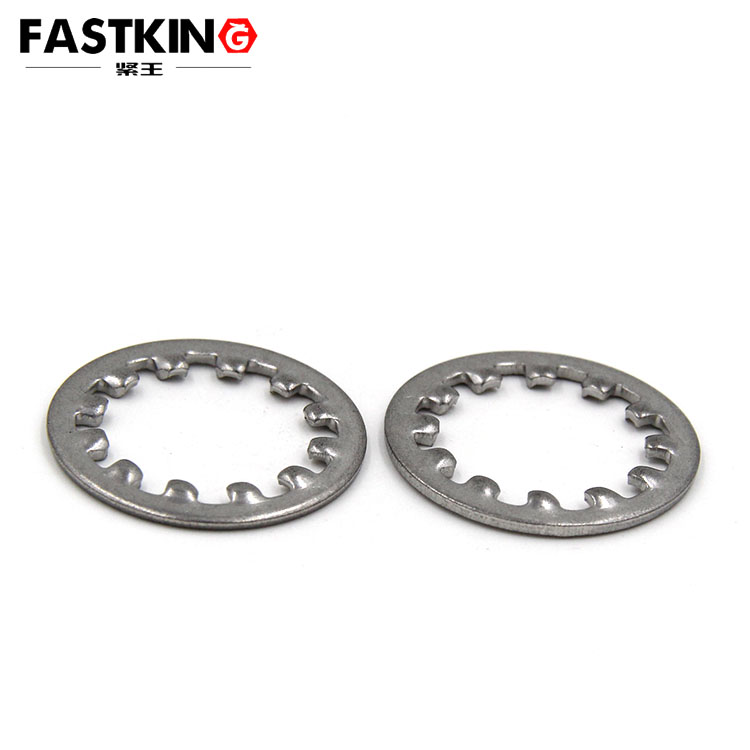
From the perspective of the working principle, the toothed flat anti-slip pad achieves stable fastening mainly through the dual effects of "mechanical engagement" and "increased friction". When mechanical components are connected by fasteners such as bolts, the toothed flat anti-slip pad is tightly clamped between the two connected parts. The teeth on its surface will embed into the contact surface of the connected parts (a slight indentation will form on the surface of some connected parts with relatively soft materials), forming a mechanical engagement structure similar to "gear meshing". This structure can effectively restrict the relative sliding between the two connected parts. Even when vibration occurs during the operation of the machinery, it can resist the tendency of lateral or longitudinal displacement through the engagement resistance of the teeth. At the same time, the presence of the teeth can also increase the contact area between the anti-slip pad and the connected parts. Especially during the vibration process, the tiny gaps between the teeth can reduce the wear of the contact surface, and the tight fit between the edges of the teeth and the connected parts can further enhance the friction force. The superposition of these dual effects greatly improves the fastening stability of the mechanical combination. In addition, in scenarios requiring sealing, the teeth of the toothed flat anti-slip pad can also form multiple sealing contact lines with the surface of the connected parts, blocking the leakage of media such as liquids and gases, and achieving both fastening and sealing functions.
The core advantages of the toothed flat anti-slip pad make it irreplaceable in the mechanical combination fastening, anti-vibration, and sealing components. Firstly, it has excellent anti-vibration performance. Compared with ordinary flat washers, its toothed structure can effectively absorb and disperse vibration energy, reduce the impact of vibration on the fastening structure, and avoid the loosening of fasteners caused by long-term vibration. It is especially suitable for mechanical components with high-frequency vibration, such as engines and compressors. Secondly, it has a reliable anti-slip effect. During the operation of machinery, load changes or slight displacements are inevitable. The mechanical engagement structure of the toothed flat anti-slip pad can firmly "lock" the connected parts, prevent component wear or connection failure caused by relative sliding, and ensure the precision of mechanical transmission. Finally, it has flexible sealing adaptability. In mechanical combinations involving the transmission of liquids or gases, such as pump and valve pipeline connections and hydraulic system components, the toothed flat anti-slip pad can form an effective sealing barrier through the tight fit between its teeth and the contact surface, reducing the risk of media leakage and lowering the probability of mechanical failures.
In practical application scenarios, the toothed flat anti-slip pad can be found in many fields of mechanical manufacturing. In the power machinery field, such as the connection between the cylinder block and cylinder head of an automobile engine, and the combination of engine block components of a diesel engine, the toothed flat anti-slip pad can resist the high-frequency vibration during engine operation, prevent oil leakage caused by the failure of cylinder block sealing, and at the same time ensure the stability of the cylinder block connection and avoid component deformation caused by vibration. In the fluid machinery field, the flange connection of pump and valve pipelines is a typical scenario that requires anti-vibration and sealing. The toothed flat anti-slip pad restricts the relative displacement of the flange through tooth engagement, and its sealing performance can block the leakage of fluids (such as petroleum, chemical liquids, water, etc.) in the pipeline, ensuring the safety of fluid transmission. In the heavy machinery field, such as the jib connection of cranes and the combination of chassis components of excavators, the toothed flat anti-slip pad can bear large loads. During the strong vibration generated by mechanical operations, it disperses the force through the toothed structure, prevents the loosening of the connection part, and ensures the operational safety of heavy machinery. In addition, in the precision machinery field, such as the spindle components of CNC machine tools and the transmission mechanisms in medical equipment, the toothed flat anti-slip pad can not only ensure stability but also reduce the impact of vibration on precision components, maintaining the operational precision of the machinery.
To enable the toothed flat anti-slip pad to fully exert its performance, correct selection and installation are crucial. During the selection process, three core factors need to be focused on: first, tooth shape matching degree. An appropriate tooth shape should be selected according to the vibration type (lateral vibration, longitudinal vibration) and load characteristics of the machinery. For example, in high-frequency vibration scenarios, serrated teeth are preferred to enhance engagement resistance; in scenarios with high sealing requirements, corrugated teeth can be used to increase the number of sealing contact lines. Second, material adaptability. The material of the toothed flat anti-slip pad should be compatible with the material of the connected parts and the working environment. For instance, high-temperature-resistant fluororubber material is selected for high-temperature environments, and stainless steel or corrosion-resistant rubber material is used in corrosive environments to avoid wear, aging, or corrosion failure caused by material mismatch. Third, dimensional accuracy. The inner diameter, outer diameter, and thickness of the anti-slip pad must fully match the specifications of the fasteners and the connection dimensions of the connected parts. Excessive dimensional deviation will prevent the teeth from effectively engaging or form a tight seal. During installation, it is necessary to ensure that the teeth of the anti-slip pad face the correct direction (usually, the teeth face the softer side of the connected parts or the side that requires key anti-slip protection). At the same time, the tightening torque of the fasteners should be strictly controlled. Insufficient torque will lead to insufficient tooth engagement, while excessive torque may crush the tooth structure. The operation must be carried out in accordance with the mechanical design specifications or the torque requirements in the anti-slip pad product manual to ensure that the anti-slip pad is in the best working state.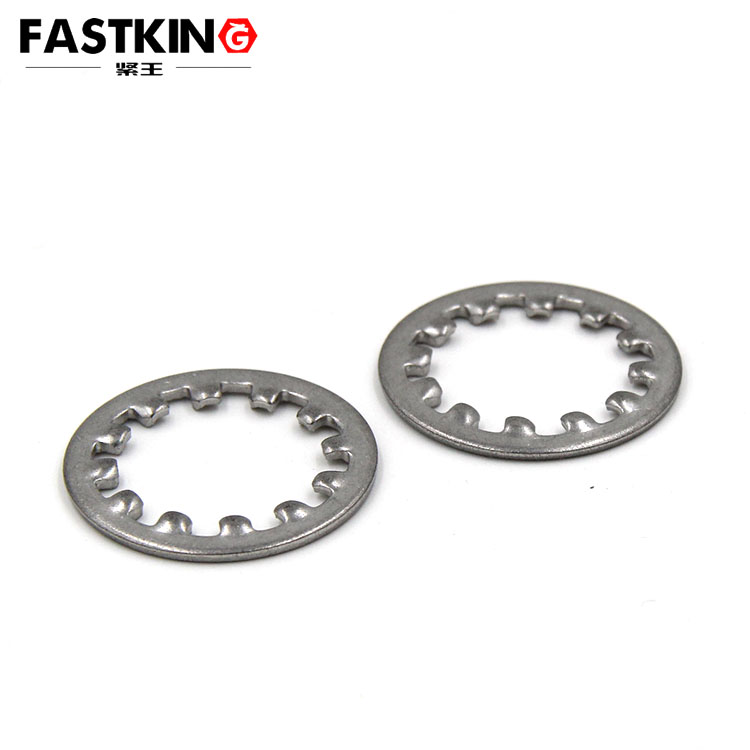
With the development of mechanical manufacturing technology towards high precision, high reliability, and long service life, the toothed flat anti-slip pad is also constantly iterating and upgrading. In the future, on the one hand, in terms of material innovation, more composite materials with high strength, resistance to high and low temperatures, corrosion resistance, and low wear will emerge, such as carbon fiber-reinforced rubber and metal-ceramic composite materials, to adapt to more harsh working environments (such as deep-sea detection equipment and aerospace machinery). On the other hand, in terms of structural optimization, simulation technology will be used to simulate the stress and vibration response of teeth under different working conditions, and more efficient tooth structures will be designed, such as asymmetric teeth (enhancing engagement on one side and sealing on the other) and deformable teeth (adapting to changes in contact pressure under different loads), to further improve the comprehensive performance of anti-slip, anti-vibration, and sealing. At the same time, the trend of intelligence may also affect the development of the toothed flat anti-slip pad. For example, micro pressure sensors can be embedded in the anti-slip pad to monitor the pressure changes at the connection part in real time and timely warn of the risk of fastening loosening, making the fastening safety of the mechanical combination more controllable.
Although the toothed flat anti-slip pad seems small, it plays a key role as a "stability guardian" in the fastening of mechanical combinations. With its unique tooth design, dual-action principle, and multi-scenario adaptability, it provides a solid guarantee for the anti-vibration, anti-slip, and sealing of machinery, and is an indispensable important auxiliary component in the field of mechanical manufacturing. With the continuous advancement of technology, the toothed flat anti-slip pad will continue to be optimized, providing more reliable solutions for higher-standard mechanical fastening needs and contributing to the higher-quality development of the mechanical manufacturing industry.